-
 Bycatch is a flashpoint in the U.S. Senate race as fishermen across Alaska blame pollock trawlers for wasting thousands of salmon.
 -
 The State of Alaska appealed a court order to pay $1.8 million in attorney fees to Native organizations that joined a successful subsistence fishing rights lawsuit. State officials argue the award is unjustified, while the groups contend the appeal only prolongs an already costly legal battle.
 -
 On June 13, community members flocked to Riverview Park for the Return of the Salmon event put on by Mother Kuskokwim Tribal Coalition, a grassroots organization opposing the proposed Donlin Gold mine.
 -
 On June 3, Mother Kuskokwim, an advocacy group opposing the proposed Donlin Gold mine project on account of environmental concerns, hosted a protest event in Bethel.
 -
 The management strategy aimed at protecting vulnerable chum and chinook stocks on the river and its tributaries is nearly identical to the previous two years. The key difference this time around is that federal managers do not plan to restrict the harvest of coho.
 -
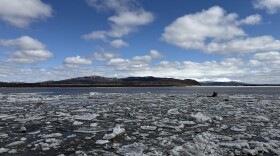 An ice jam below Aniak has inundated low-lying areas in the community and could cause further issues as the breakup front works its way towards Kalskag. But National Weather Service Hydrologist Johnse Ostman said he's optimistic about a lower river that is "thermally mushing out and degrading."
 -
 For many on the Y-K Delta, the breakup of the Kuskokwim River is the official indicator of spring. Waiting for breakup is a collective experience, as is the community's annual game of guessing exactly when that will happen.
 -
 The River Watch team will be back in full force this year, working directly with communities on the Yukon and Kuskokwim and closely monitoring impacts as the ice goes out after a historically cold winter.
 -
 The Native Village of Napaimute ice road crew announced that beginning Friday April 10, they will no longer be maintaining the Kuskokwim Ice road for the 2026 season.
 -
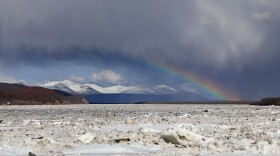 Higher than normal snowpack and ice thickness, among other factors, have created heightened risks in 2026 for much of the Yukon River, the Tanana River, and the lower Kuskokwim River, according to the Alaska-Pacific River Forecast Center.

© 2026 KYUK

Public Media for the Yukon-Kuskokwim Delta
Play Live Radio
Next Up:
0:00
0:00
Available On Air Stations


