

-
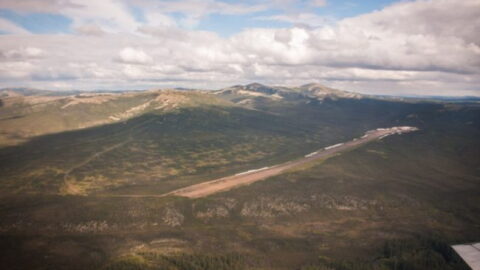 Dean Swope/KYUKIn 2025, a federal court judge required the proposed Donlin Gold mine project to reexamine some of its possible environmental impacts. This week, a draft of that supplemental report was released for public comment.
 -
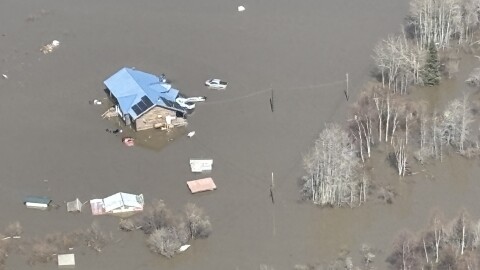 National Weather ServiceSome mail services to the community are paused, and mail is being distributed from a temporary space in the village.


-
 Alaskans whose convictions were vacated, reversed, or dismissed have two years to apply for past dividend payments they were ineligible for while in prison.
 -
 Communities in Norton Sound are among those preparing for an extended period of extra high fuel prices after the war with Iran drove up the cost of energy globally.
 -
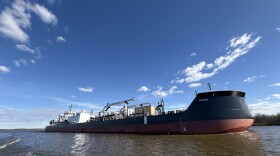 KYUK’s Evan Erickson spoke with Northern Journal reporter Nat Herz, who traveled to Hooper Bay as part of a broader look at what leaders describe as an unfolding crisis that threatens barge-dependent communities in Western Alaska.
 -
 Bethel’s ONC tribe argued that the proposed mine’s removal of water from Crooked Creek, a Kuskokwim River tributary, would damage salmon spawning areas.
 -
 Consumers across the country are contending with sharply higher fuel prices amid a supply crunch brought on by the closure of a key strait in the Middle East. But even residents of California, where $6-a-gallon gas prices are making headlines, would face sticker shock if they traveled to Hooper Bay, or any of the dozens of other villages and hub towns across Western Alaska.
 -
 Lawmakers advanced $29 million to offset school districts’ rising energy costs next year, and a plan for the state to cover the bulk of districts' energy costs statewide starting in 2028.
 -
 Alaska has seen skyrocketing gas prices driven by the war in Iran. But communities in the western part of the state that have been burning last year’s fuel are bracing for their own crisis as they anticipate what could be an even more drastic spike with the arrival of the first barges of the spring.
 -
 The Kuskokwim Ice Classic tripod drifted out at 8:00 a.m. on Tuesday, May 12. Two Y-K Delta locals guessed the same lucky number.
 -
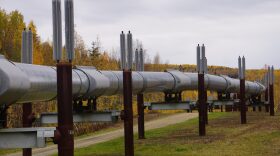 The gap between the price of Brent crude and North Slope crude "may be the highest value in history."
 -
 For many on the Y-K Delta, the breakup of the Kuskokwim River is the official indicator of spring. Waiting for breakup is a collective experience, as is the community's annual game of guessing exactly when that will happen.


