

-
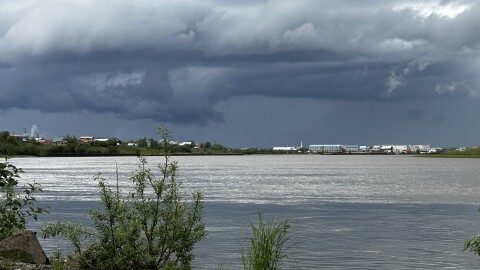 Sage Smiley/KYUKFall storm season approaches for Western Alaska. This year, the region is still recovering from ex-typhoon Halong, which swept through the area in October 2025. Here’s what to know about this year’s fall forecast.
 -
 Alena NaidenThe Arctic Report Card has been documenting environmental changes in the northern part of the globe for two decades.


-
 The forecast is based on indications that water temperatures will be 2 or more degrees Celsius above normal in a bellwether patch of the central Pacific Ocean.
 -
 Drones are used across industries like construction, real estate, and even news production. But in Western Alaska, their applications also dovetail with subsistence activities and search and rescue missions.
 -
 The heat wave was accompanied by a dramatic increase in deaths of older juvenile and adult chinook that, had they survived, would have returned from the ocean to freshwater spawning grounds, the NOAA study found.
 -
 High energy costs are a fact of life in remote, rural Alaska with few easy answers. But siblings Vjosa and Drini Pellumbi — who recently won top honors for their boiler heat recovery system design — are committed to being part of the solution.
 -
 On June 13, community members flocked to Riverview Park for the Return of the Salmon event put on by Mother Kuskokwim Tribal Coalition, a grassroots organization opposing the proposed Donlin Gold mine.
 -
 On June 3, Mother Kuskokwim, an advocacy group opposing the proposed Donlin Gold mine project on account of environmental concerns, hosted a protest event in Bethel.
 -
The Yukon Delta National Wildlife Refuge announced a 30-day closure for all migratory bird species. The closure will be in effect from June 6 through July 6 and applies to the entire region. The only exception is scoters, which have their own closure from June 11 through July 11.
-
 Bethel’s ONC tribe argued that the proposed mine’s removal of water from Crooked Creek, a Kuskokwim River tributary, would damage salmon spawning areas.
 -
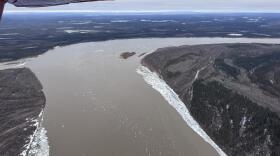 Last week, communities along the Yukon River experienced ice jam-related flooding. But as of the evening of May 26, significant ice jams close to the mouth of the river gave way and the water began to recede.
 -
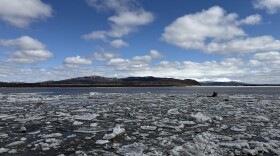 An ice jam below Aniak has inundated low-lying areas in the community and could cause further issues as the breakup front works its way towards Kalskag. But National Weather Service Hydrologist Johnse Ostman said he's optimistic about a lower river that is "thermally mushing out and degrading."


