

Corinne Smith, Alaska Beacon
-
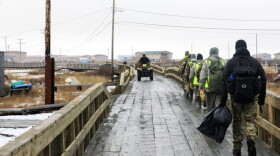 Alaskans seeking an appeal may provide additional documentation of damages, including receipts and bills for eligible repairs, repair receipts from contractors or repair services, proof of ownership, or other information to substantiate an appeal.
 -
 The surplus funding is part of an estimated nearly $600 million in oil revenue this fiscal year.
 -
 The U.S. Department of Education is expected to award the grant funding through the Alaska Native Education Program to 26 Alaska grantees, according to an announcement from the senator.
 -
 The group aims to turn around a decline in Alaska Native voter turnout through forging statewide partnerships, boosting voter education and outreach, and reducing logistical challenges.
 -
 Alaskans who are currently incarcerated and awaiting trial or sentencing, and those who have served their sentence and have been released from correctional supervision are eligible to vote in all elections.
 -
 Alaskans whose convictions were vacated, reversed, or dismissed have two years to apply for past dividend payments they were ineligible for while in prison.
 -
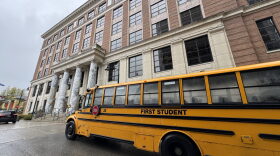
 Alaska school districts that have grown to rely on international teacher hires are likely to do without them this year, even after a federal judge recently blocked the Trump administration’s fee hikes for highly skilled worker visas.
 -
 Mt. Edgecumbe has been the focus of public concern and legislative hearings this year after more than 100 students disenrolled during the school year.
 -
 Lawmakers advanced $29 million to offset school districts’ rising energy costs next year, and a plan for the state to cover the bulk of districts' energy costs statewide starting in 2028.
 -
 Peltola supporters in Juneau said they want to see her unseat incumbent Dan Sullivan, and for Congress to take a stronger stand in checking executive powers of the Trump administration.


